
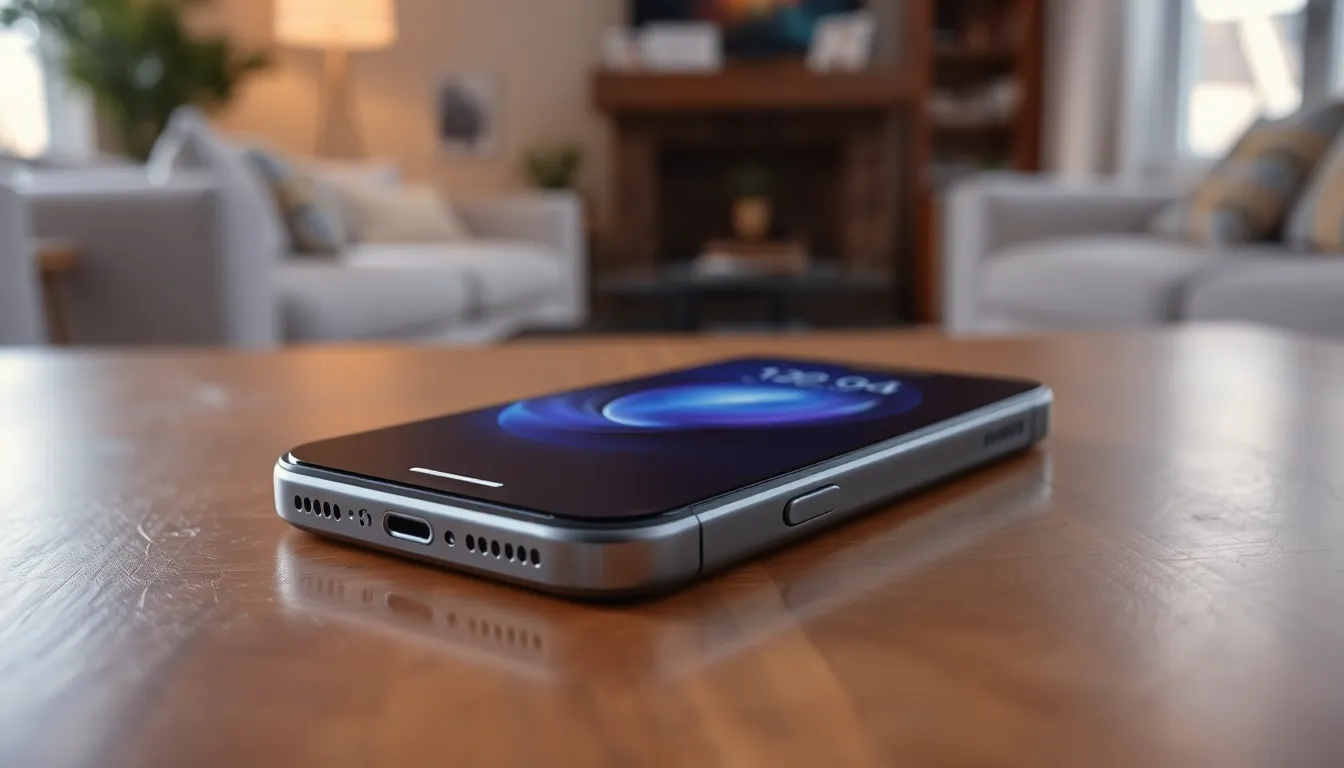
In the fast-paced world of smartphones, the iPhone SE 2nd generation has carved out a special place in the hearts of tech enthusiasts and casual users alike. It’s like the underdog of the iPhone family—compact, powerful, and surprisingly affordable. If you’ve ever wondered when this little powerhouse hit the market, you’re not alone.
Overview of the iPhone SE 2nd Generation
The iPhone SE 2nd generation launched on April 24, 2020. It stands out with a compact design, fitting comfortably in users’ hands. Powering the device is the A13 Bionic chip, the same processor found in the iPhone 11 models. This allows for impressive performance and efficiency, appealing to a broad range of users.
Camera capabilities include a single 12 MP rear camera, perfect for capturing high-quality images and videos. Portrait mode enhances photos with depth-of-field effects. Users can enjoy the advantages of Smart HDR, which improves image quality in varied lighting conditions.
Battery life plays a significant role in user satisfaction. This model delivers up to 13 hours of talk time or 8 hours of internet use. Fast charging support enables users to recharge up to 50 percent in about 30 minutes with a compatible charger.
Storage options are available in 64 GB, 128 GB, and 256 GB capacities, making it easy to choose based on personal needs. The device comes with iOS 13, offering access to features like dark mode and improved privacy settings.
Affordability is essential for many users, and the iPhone SE 2nd generation is one of the lower-priced models within the iPhone lineup. Its pricing caters to individuals looking for a reliable Apple device without the premium price tag typically associated with flagship models.
The iPhone SE 2nd generation successfully merges performance, functionality, and budget-friendliness, making it a popular choice among various users.
Historical Context
The iPhone SE 2nd generation, released on April 24, 2020, stands out in the evolving landscape of smartphones. This release occurred amid a trend towards larger devices, showing a shift in Apple’s strategy to cater to diverse user preferences.
Evolution of the iPhone Series
The iPhone lineup has seen significant changes since its introduction in 2007. Each generation brought advancements in technology and design, appealing to an ever-growing customer base. The original SE, launched in 2016, showcased Apple’s focus on affordability and performance. With the 2nd generation, Apple maintained this philosophy while updating key specifications. Enhanced processing power through the A13 Bionic chip allowed the SE 2nd generation to compete with flagship models. This evolution reflects Apple’s commitment to providing options that blend value and cutting-edge technology.
Key Features Introduced
The iPhone SE 2nd generation introduced several notable features that enhanced user experience. A powerful A13 Bionic chip, the same used in iPhone 11 models, delivers exceptional speed and efficiency. Users benefit from a single 12 MP rear camera equipped with Portrait mode and Smart HDR capabilities. Improved battery life supports up to 13 hours of talk time, meeting the demands of daily use. Storage options, ranging from 64 GB to 256 GB, accommodate various preferences for data capacity. This blend of features solidified its position as an attractive option for both tech enthusiasts and everyday users.
Release Date
The iPhone SE 2nd generation debuted on April 24, 2020. This release marked a significant moment for Apple as it aimed to provide a budget-friendly option without compromising on quality.
Timeline of Events Leading to the Release
Anticipation for the iPhone SE 2nd generation began in late 2019. Rumors circulated regarding a new entry-level model, fueled by Apple’s strategy to appeal to a broader audience. By early 2020, leaks about its specifications became widely shared across tech communities. Industry experts expected a launch in March, aligning with previous release trends. In March 2020, more details emerged, affirming features like the A13 Bionic chip and compact design.
Official Announcement
Apple officially announced the iPhone SE 2nd generation on April 15, 2020. During a virtual event, the company highlighted its compact design, performance capabilities, and affordability. Apple’s marketing emphasized the device’s suitability for both casual users and tech-savvy individuals. Enthusiasts eagerly awaited more information about its specifications and launch details, particularly its accessibility in stores after the announcement. The official release followed just nine days later, bringing excitement to prospective buyers.
Reception and Impact
The iPhone SE 2nd generation received strong attention from both consumers and critics. Consumers appreciated its blend of performance and affordability. Many users pointed out the powerful A13 Bionic chip, noting that it performed similarly to higher-end models. Feedback highlighted the compact design, making it easy to use one-handed. Critics praised the single-camera system, emphasizing its impressive photo capabilities.
Consumer Reactions
Users expressed satisfaction with the SE’s value proposition. Many buyers highlighted the device’s price point, considering it an excellent entry into the iPhone ecosystem. The nostalgic design resonated with long-time iPhone fans. Reviewers frequently noted that the 12 MP camera provided quality photos for everyday use. Mixed reactions surfaced regarding the lack of advanced features found in flagship models; however, many found the trade-off acceptable. Overall, most consumers viewed the iPhone SE 2nd generation as a smart choice for budget-conscious individuals.
Market Performance
Market analysts reported strong sales figures within the first quarter post-launch. The iPhone SE 2nd generation contributed to Apple’s revenue growth, showcasing significant demand in the budget smartphone sector. Comparatively, sales of older iPhone models declined as this new entry garnered consumer interest. The device also appealed to users seeking an upgrade from older models. Analysts recorded a notable increase in market share, particularly among users switching from Android devices. Overall, the iPhone SE 2nd generation performed well, proving successful in a competitive market landscape.
The iPhone SE 2nd generation has carved out a unique space in the smartphone market since its release on April 24, 2020. Its combination of powerful performance and affordability appeals to a diverse audience. Users appreciate its compact design and impressive camera capabilities, making it an ideal choice for those who value efficiency without sacrificing quality.
As the smartphone landscape continues to evolve, the iPhone SE 2nd generation stands as a testament to Apple’s ability to cater to budget-conscious consumers while maintaining high standards. Its success in sales and positive reception highlight the ongoing demand for devices that balance performance and price. This model has undoubtedly solidified its place in the hearts of many users, proving that great technology doesn’t always have to come with a hefty price tag.